
This week’s Weekly has my review of Beautiful Creatures at the Academy of Natural Sciences.
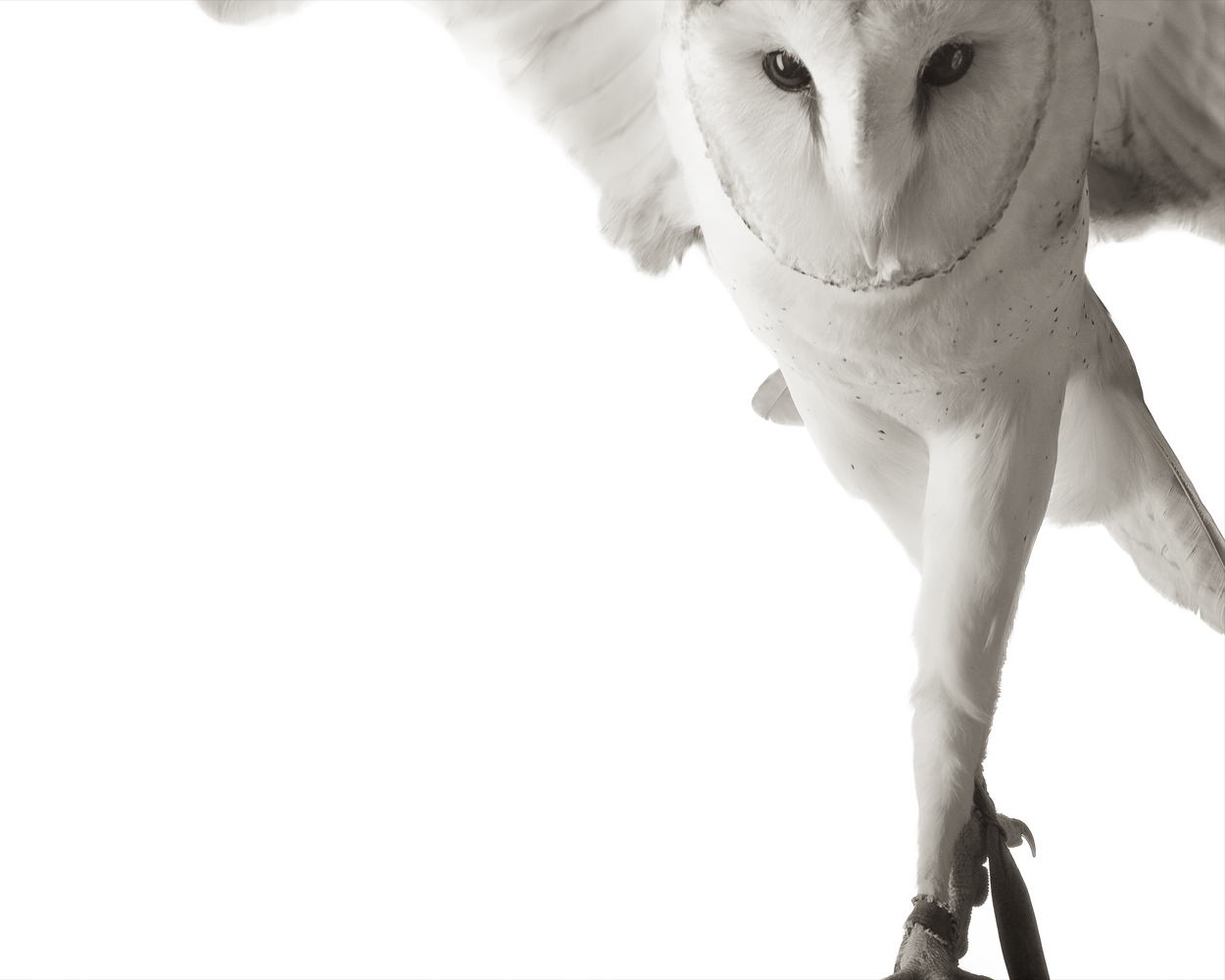
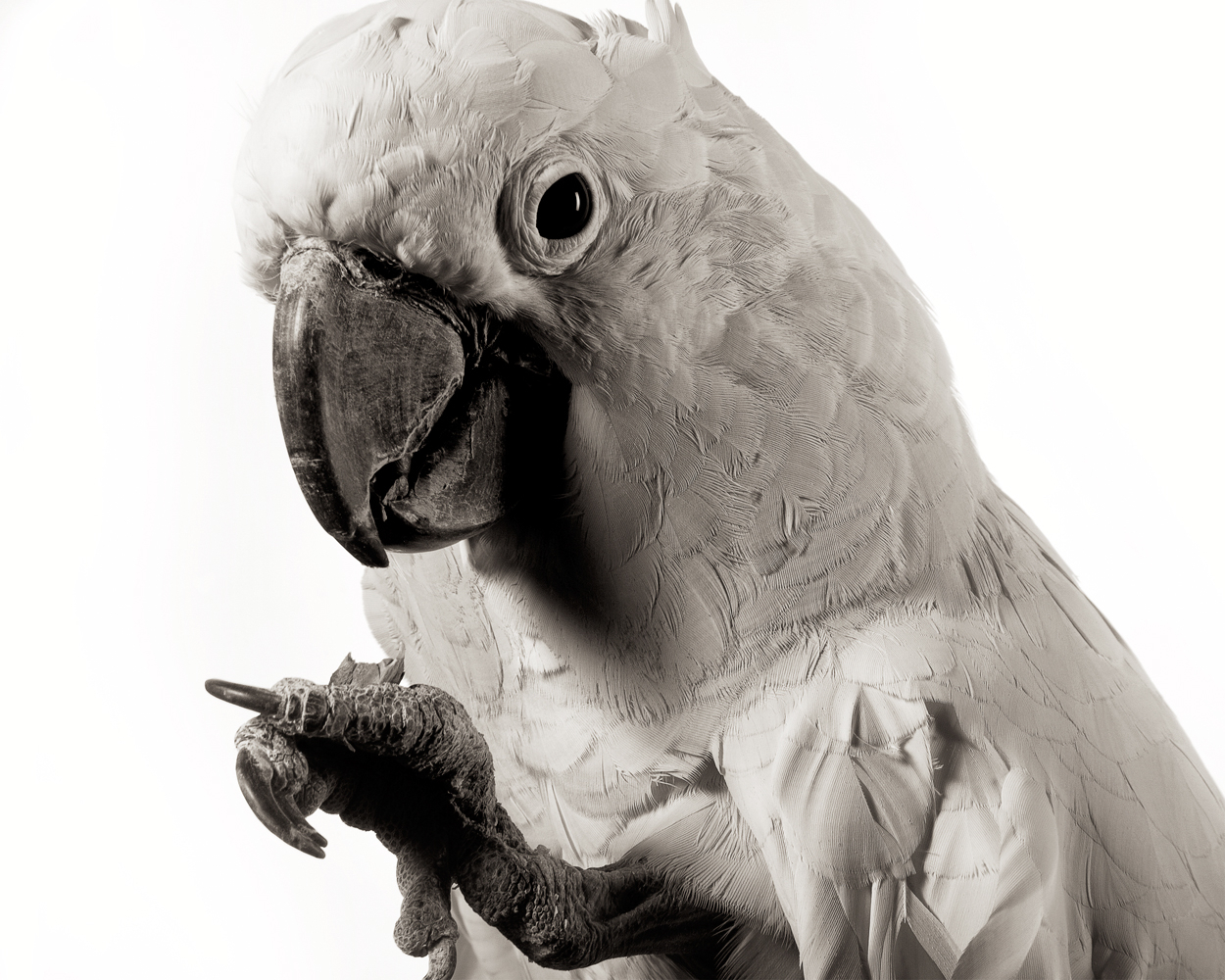
Bennie, a Moluccan cockatoo, looks like he’s about to deliver the punchline of a salty joke. A red fox evokes Joan Rivers on the red carpet, her mouth open and big, dark eyes looking straight at you, an aging raconteur. And a barn owl is a diva on the runway, wings up and strutting. These gorgeous animals, captured in dramatic black-and-white photos by University of the Arts students, exude star power at the Academy of Natural Sciences’ new Art of Science gallery.
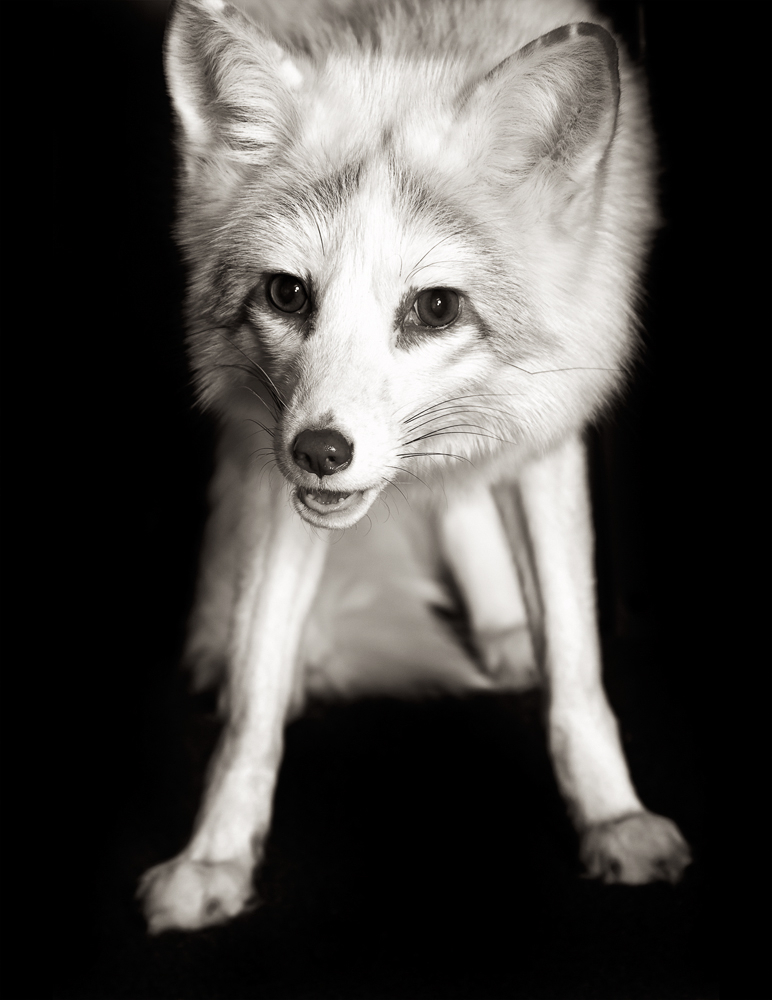
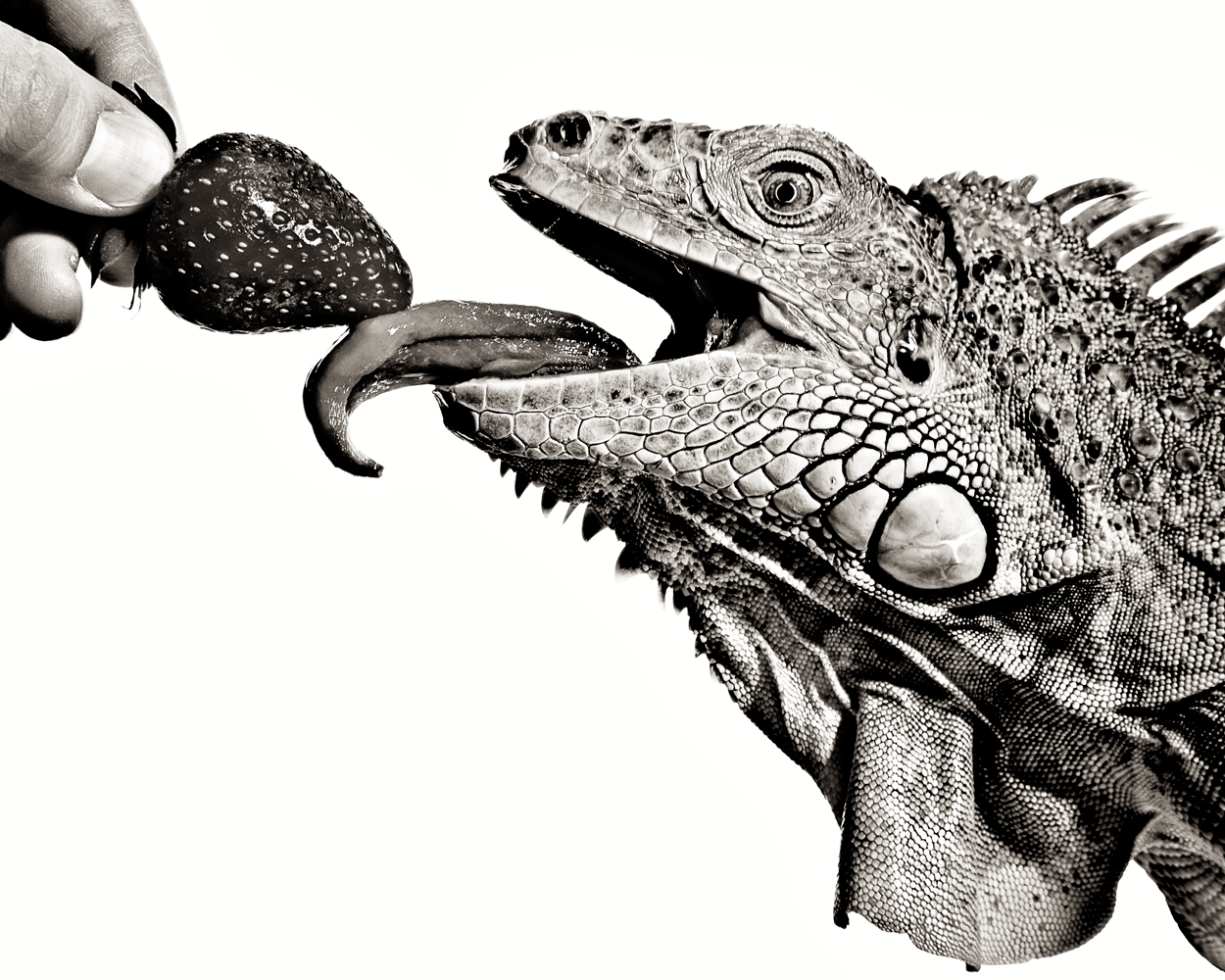
Fifteen images in this collaborative project, titled “Beautiful Creatures,” showcase rescued animals, who live at the Academy. Maybe it’s because the animals are accustomed to being around humans, but they’re definitely comfortable in front of the camera. If you’ve ever taken a snapshot of your pet, you know how hard it is to get a still shot. Yet these images of wild animals are remarkably still. And in these extraordinary closeups you can focus on details like the red fox’s whiskers and impossibly tiny teeth and the green iguana’s patterned stripes and tiled scales.
Animals have always been a subject for artists. With their innocence, ferocity, strength and vulnerability, they embody many human characteristics. And, of course, animal aesthetics are infinitely satisfying to look at and, for an artist, to paint, photograph or sculpt.
From John James Audubon to George Stubbs and Walton Ford, artists have portrayed animals for reasons beyond depiction. Like those that came before, these new animal portraits are mythic in a way real animals are not. But that’s the value of art–to make myth out of reality and thus tell a story.
All the works have reduced backgrounds with the animals highlighted against stark white or black voids, which results in a heightened emotional content in the iconic works. Taylor Welch’s iguana portrait stands out for the diagonal composition with the reptile reaching for a strawberry—head up, tongue out, mouth open. The strawberry’s patterning echoes the lizard’s scales and the art-history reference to Michelangelo’s god reaching out to touch man is, if not intended, then at least very funny.
Julia Mead’s shot of a barn owl is the most haunting image. Cropped tight to the face and printed off center so the bird looks like it’s coming right at you, the image freezes the action so that you focus on the animal’s sensual snowy whiteness, its beautiful eyes and its almost human strut. Ali Shildt’s Red Fox, Janelle Alice’s Striped Skunk and Charles Wrzesniewski’s White-nosed Coati all perform anthropomorphic magic on their subjects who become readable as members of their species but also as types you may have encountered in the human world–the talker (Fox); the sad sack (Skunk) and the cagey (Coati).
The Art of Science gallery, one large wall on the Academy’s first floor, will be expanded to two walls in 2010, says Carolyn Belardo, Academy spokesperson. Look for a changing program of exhibits centered on art dealing with the scientific. Henry Horenstein’s animal photographs open Mar. 13. More about the Art of Science gallery here.
“Beautiful Creatures” Through Jan. 24. Academy of Natural Sciences, 1900 Benjamin Franklin Pkwy. 215.299.1000.